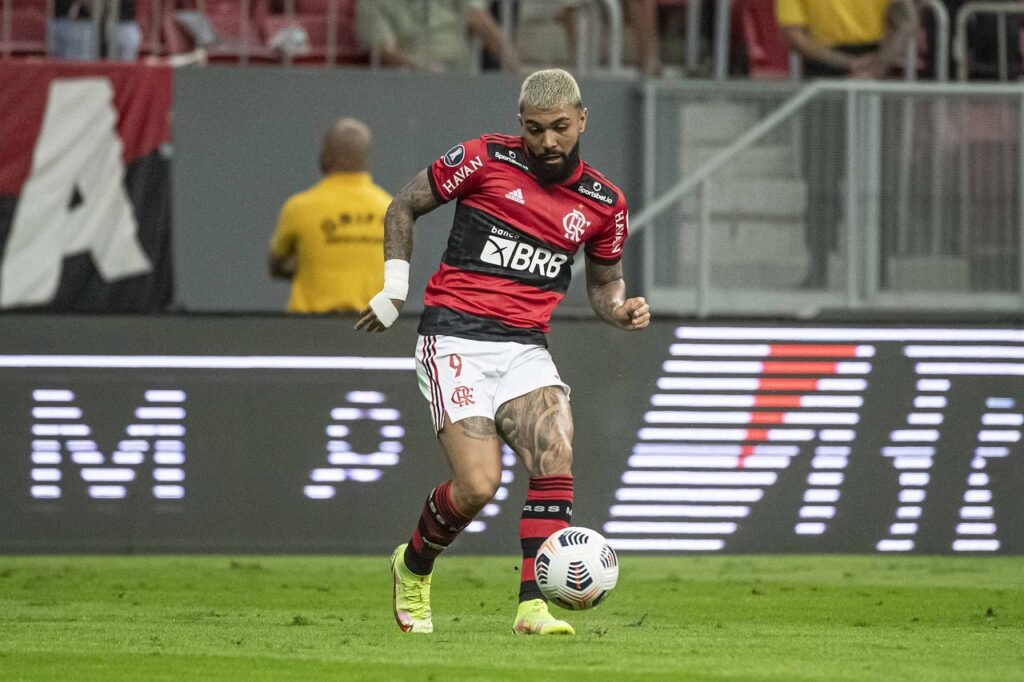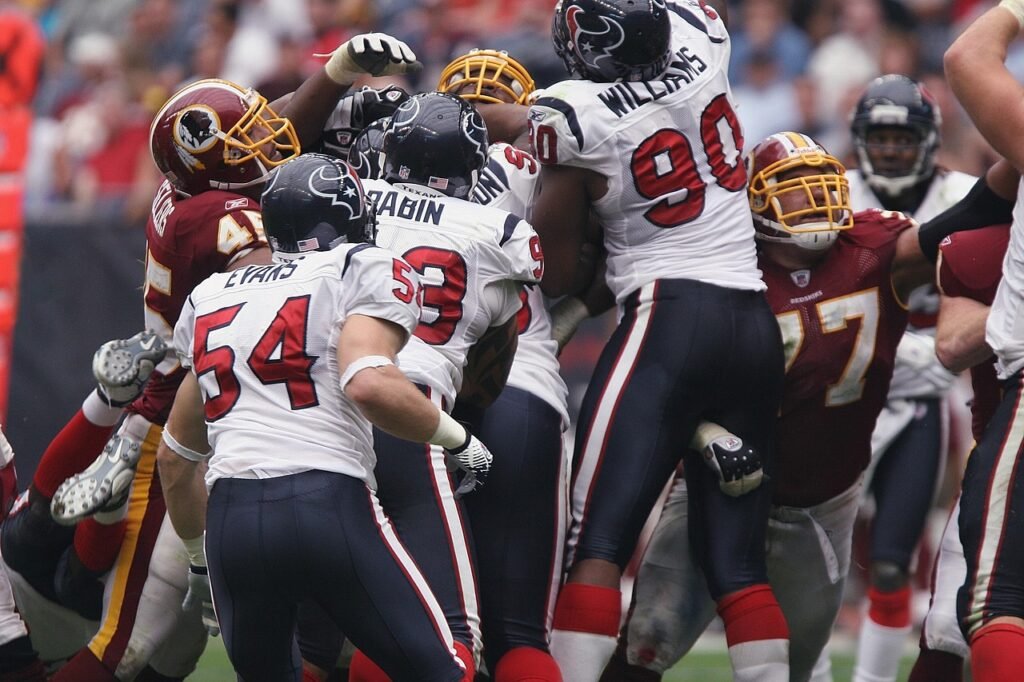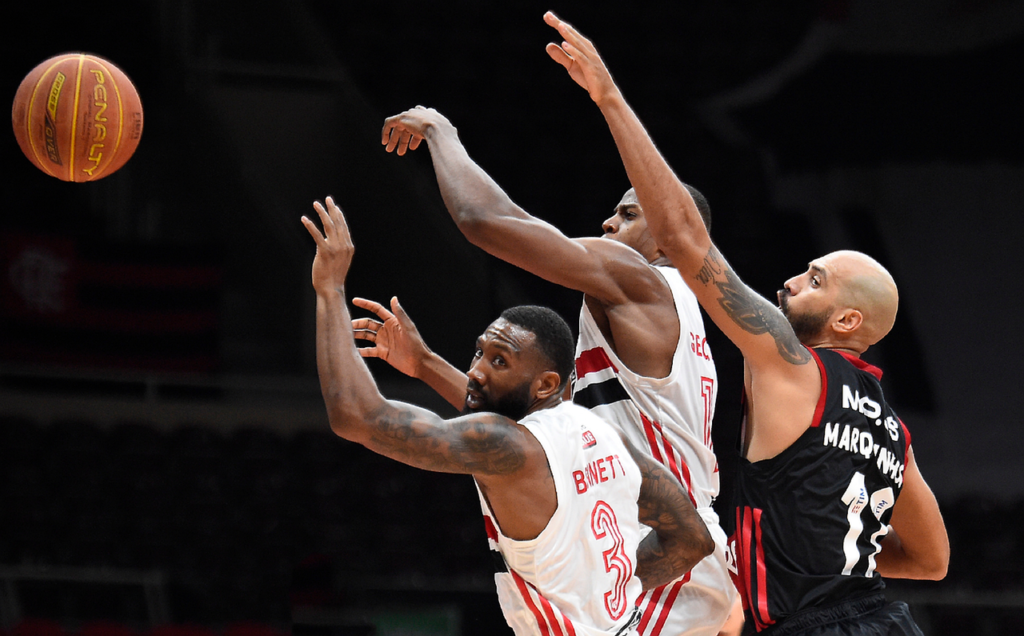
Understanding modern athlete net worth reveals a dramatic shift in how sports superstars accumulate and preserve wealth. Decades ago, professional players depended almost exclusively on team contracts and modest match bonuses. Today, elite players operate as global business enterprises, turning athletic excellence into massive financial empires through diversified holdings, media deals, and equity stakes.
Tracking estimated wealth requires evaluating multiple revenue streams beyond seasonal wages. When sports fans analyze athlete net worth, they discover that base salaries often represent only the starting point of an athlete’s complete financial portfolio. In this detailed guide, we break down how modern competitors build fortunes, invest for longevity, and safeguard their assets long after retirement.
Understanding Athlete Net Worth Today
The calculation of estimated wealth in professional athletics combines liquid assets, contractual earnings, property holdings, and private business equity minus all outstanding liabilities. While guaranteed salaries in major leagues continue to shatter historical records, high tax brackets and team agent fees significantly alter actual take-home earnings. As a result, calculating true asset value requires looking past dramatic contract headlines.
Global visibility driven by streaming networks and social platforms has elevated sports icons into influential cultural ambassadors. When brands seek authentic international reach, top competitors secure lucrative multidecade partnerships that rival the GDP of small towns. Consequently, overall net valuation reflects both on-field athletic dominance and off-field commercial marketability across global markets.
Furthermore, contemporary athletes enlist seasoned financial advisors early in their rookie campaigns. Rather than letting capital sit idle in standard bank accounts, players deploy funds into growth assets, mutual funds, commercial real estate, and disruptive venture funds. This proactive approach ensures that career earnings continue to compound even during off-seasons or injury breaks.
Primary Drivers of Modern Sports Wealth
Athletic compensation relies on several intertwined channels that generate cash flow throughout a competitor’s prime years. While each sport carries different earning dynamics, elite professionals generally tap into identical wealth accelerators. Knowing how these channels function helps explain sudden spikes in player balance sheets.
Base compensation and guaranteed salary structures form the foundational bedrock for team sport participants. In contrast, individual sport icons in tennis, boxing, and golf depend heavily on performance purses, tournament prize pools, and incentive payouts. However, the true financial divergence occurs when external commercial revenue outpaces primary match pay.
- Guaranteed Playing Contracts: Multi-year league agreements providing steady baseline liquid cash flow.
- Commercial Endorsements: Global apparel, footwear, beverage, and tech ambassador contracts.
- Performance Bonuses: Championship payouts, appearance stipends, and postseason incentives.
- Licensing and Royalties: Video game rights, trading cards, and authentic sports memorabilia sales.
- Private Business Equity: Ownership shares in early-stage startups, consumer brands, and beverage lines.
Athlete Net Worth and Endorsements
Corporate sponsorship agreements represent the most scalable component of long-term wealth creation. Footwear and apparel giants routinely sign elite prospects to long-term licensing agreements before they play their first professional contest. These corporate alliances frequently incorporate royalty percentages, providing continuous passive income based on international retail volume.
Beyond sports apparel, premier competitors collaborate with luxury horology houses, automotive manufacturers, and global telecommunication providers. These multi-year arrangements provide guaranteed annual payouts that cushion against the financial hazards of injuries or unexpected contract terminations. In many instances, off-field income surpasses on-field earnings by a ratio of three to one.
Digital transformation has expanded the commercial value of personal branding. Modern players engage directly with tens of millions of fans through digital platforms, bypassing traditional public relations intermediaries. This direct access allows sports professionals to command substantial sums for single promotional campaigns, sponsored broadcasts, and branded content integrations.
Strategic Investments Beyond Playing Years
Retirement presents a massive financial challenge for players who fail to develop secondary capital structures. Because professional physical peaks rarely extend beyond age thirty-five, prudent athletes construct durable investment foundations during their highest earning cycles. Diversifying across uncorrelated sectors prevents asset depletion once primary playing contracts expire.
Venture capital and private equity syndicates have become favored vehicles for forward-thinking players. Athletes now exchange promotional services for direct founding equity rather than settling for one-time endorsement fees. When portfolio enterprises launch public offerings or execute corporate buyouts, these equity portions deliver extraordinary capital windfalls.
Real estate acquisitions also anchor athlete wealth portfolios due to their steady cash distributions and advantageous tax treatments. From luxury residential developments to industrial logistics complexes, physical property holdings provide consistent preservation against inflationary market pressures.
The Power of Team Ownership Stakes
In recent years, the most affluent competitors have moved into professional franchise ownership. Acquiring minority positions in baseball, soccer, basketball, or racing teams allows players to benefit from rapid league franchise appreciation. As documented by financial outlets and public sports archives on Wikipedia, sports franchises consistently outpace broader equities over extended holding periods.
Franchise stakes also unlock elite boardrooms and exclusive institutional networks. By transitioning from salaried employee to executive owner, players achieve rare financial autonomy that secures generational prosperity for family trusts and future heirs.
Building Athlete Net Worth Stepwise
Navigating the journey from signing a rookie agreement to building permanent wealth requires strict discipline. Financial volatility remains a major risk for young professionals unaccustomed to managing rapid windfalls. Below is the proven framework adopted by top performers to protect their fortunes.
- Forming an Advisory Council: Retaining certified fiduciary planners, tax attorneys, and experienced asset managers.
- Establishing Cash Reserves: Ring-fencing liquid emergency funds to weather injury downtime or contract disputes.
- Tax-Efficient Asset Structuring: Establishing legal trusts, holding companies, and family offices to minimize liability.
- Acquiring Income-Producing Assets: Channeling baseline earnings into dividend portfolios, real estate, and treasury bonds.
- Pursuing Strategic Equity: Trading brand prestige for ownership stakes in scalable commercial enterprises.
Earnings Comparison Across Major Sports
Compensation dynamics vary significantly across global sports disciplines. Contract caps, collective bargaining pacts, global television ratings, and sport-specific physical longevity determine the earning ceilings for each competitive arena.
| Sport Discipline | Primary Revenue Driver | Average Career Length | Key Endorsement Niches |
|---|---|---|---|
| Association Football | Club Wages & Global Royalties | 8 to 12 Years | Footwear, Beverages, Tech |
| Basketball | Guaranteed Maximum Contracts | 4 to 8 Years | Sneakers, Luxury Goods, Media |
| Combat Sports | Pay-Per-View Shares & Purses | 5 to 10 Years | Energy Drinks, Apparel, Betting |
| Formula Racing | Driver Salaries & Retainers | 7 to 14 Years | Automotive, Watches, Finance |
| Professional Golf | PGA/Tour Purses & Retainers | 15 to 25 Years | Apparel, Banking, Equipment |
As illustrated in the table above, sports offering longer professional longevity, such as golf and auto racing, afford players extended runways to compound commercial earnings. Conversely, collision sports demand accelerated wealth preservation due to shorter average career windows and heightened injury risks.
Frequently Asked Questions
How is athlete net worth officially calculated?
Valuations are determined by calculating all documented career earnings, performance bonuses, private equity stakes, liquid cash reserves, and tangible real estate assets, minus agent fees, legal expenses, applicable taxes, and outstanding debts.
What factors cause sudden fluctuations in athlete net worth?
Sudden changes usually stem from dynamic fluctuations in underlying equity values, property market valuations, corporate brand deal terminations, legal settlements, and public stock performance within their personal holding companies.
Can a high athlete net worth survive career-ending injuries?
Yes, competitors who protect their earnings through comprehensive disability policies, passive income investments, and diversified commercial assets maintain strong financial foundations even if on-field play concludes prematurely.